Russia destroys historic house of 20th-century Ukrainian anarchist revolutionary
 on Google

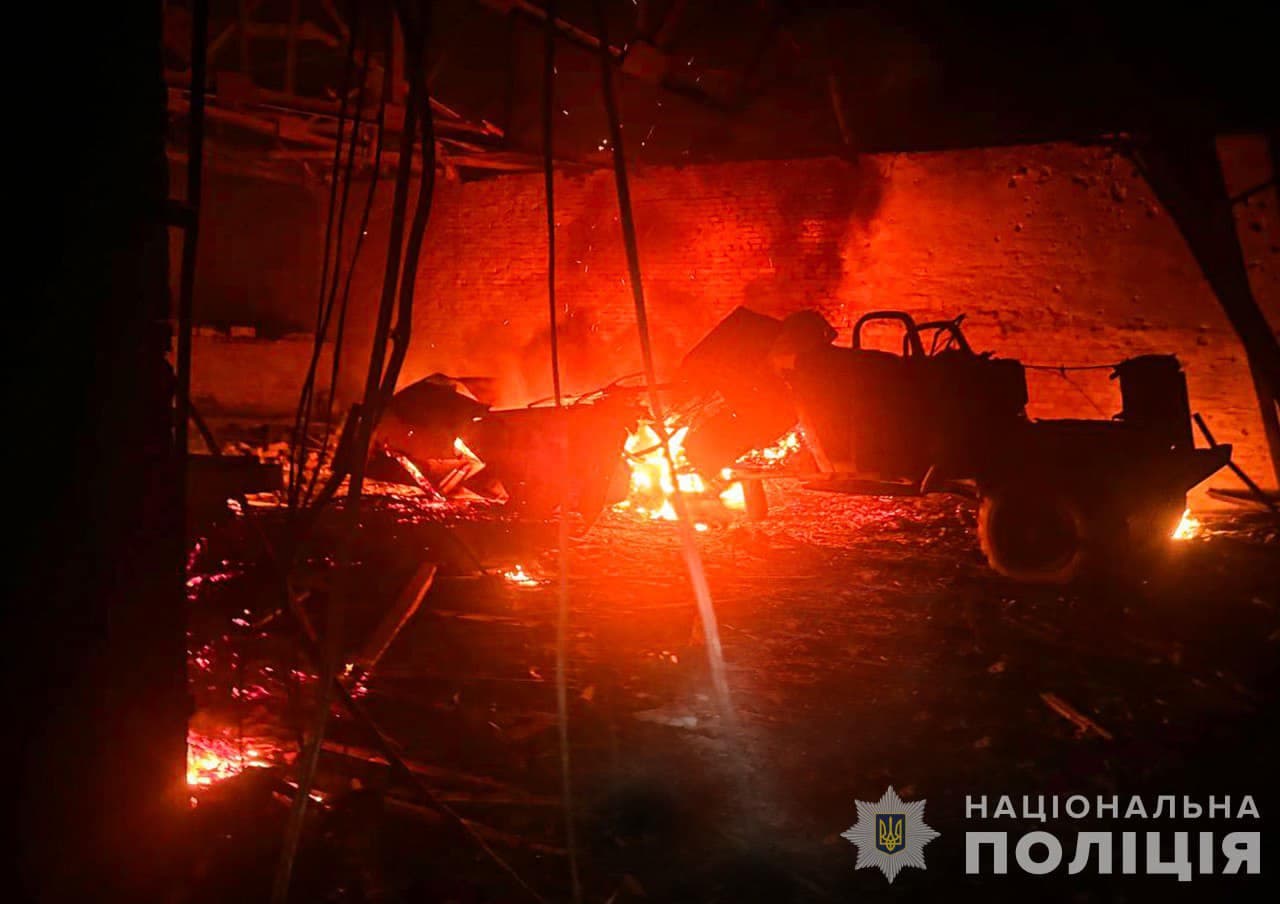
A Russian strike destroyed the historic house and family estate of the Ukrainian anarchist fighter Nestor Makhno in Huliaipole, Zaporizhzhia Oblast, the National Police reported on Aug. 24.
The house, which served as a museum to the 20th-century revolutionary, burnt to the ground after Russia launched 306 strikes on nine front-line settlements in Zaporizhzhia Oblast overnight on Aug. 23.
Russian forces carried out the attacks with drones, aircraft, tanks, artillery, and multiple-launch rocket systems. Several houses, infrastructure, and farm buildings were also damaged or destroyed. No civilians were injured or killed.
Makhno hailed from a poor peasant family in Huliaipole and led Ukraine’s Revolutionary Resurgent Army from 1918-1921 during the War of Independence. Although briefly siding with the Bolsheviks, Makhno fought against the Reds and the Whites and established an anarchist stronghold in southeastern Ukraine that eventually fell.
The Bolshekivs drove Makhno out of Ukraine, and he sought sanctuary in Paris where he publicly criticized the Reds before dying of tuberculosis in 1934.
A statue commemorating Makhno in Huliaipole was destroyed by a Russian attack on May 23. Russia has damaged around 1,000 Ukrainian cultural heritage sites and around 2,000 cultural facilities since the start of the full-scale invasion.